

Learn how to incorporate interleaved practice techniques into your study sessions to enhance learning efficiency and improve exam performance. Discover the benefits and implementation strategies for this advanced study method.
Mastering Study Success: Enhancing Your Sessions with Interleaved Practice Techniques
Estimated Reading Time: 7 minutes
Unlock the Power of Interleaved Practice for Better Learning and Exam Performance
In the world of learning, effective study techniques can make a significant difference in retention and exam success. One of the most interesting strategies to explore is interleaved practice. This blog delves into what interleaved practice is, how to implement it in your study sessions, and the benefits it can bring to your overall learning experience.
The Importance of Study Techniques
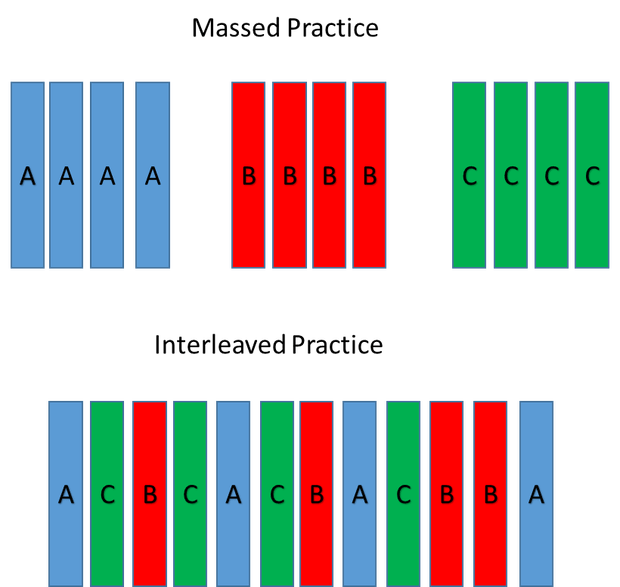
Understanding effective study techniques is crucial for academic success. Interleaved practice involves mixing different topics or subjects during study sessions, contrasting with the more traditional block studying method where one focuses on a single subject until mastery is achieved. But why is this important? Studies show that interleaved practice enhances problem-solving skills and helps students retain information longer. For additional strategies on enhancing focus during your studies, refer to Mastering the Art of Focus: Strategies to Enhance Your Study Sessions.
Benefits of Interleaved Practice
- Improved Retention: Mixing topics forces the brain to make connections and helps in retaining information better.
- Enhanced Problem-Solving: Shifting between different types of problems prepares students for real-world situations where they need to apply concepts flexibly.
- Greater Engagement: Changing topics frequently keeps study sessions engaging and prevents boredom, which is a common barrier to effective learning.
- Long-Term Benefits: While block studying might lead to short-term performance peaks, interleaved practice has been shown to produce better long-term retention and understanding.
Implementation Strategies
Incorporating interleaved practice into your study sessions can be simple. Here are some actionable strategies:
- Create a Balanced Study Schedule: Combine subjects in a single session. For example, if you're studying math and history, alternate between the two every 20 minutes or so.
- Use Practice Tests: Try taking tests that cover multiple topics instead of focusing on just one subject. This mimics real exam conditions.
- Frequent Revision: Instead of a single review session for each subject, repeatedly revisit different topics over a longer period.
- Peer Teaching: Teach your study partner different concepts. Explaining material can solidify your understanding and make it easier to switch topics. Additionally, explore the benefits of Implementing the Feynman Technique for Deep Learning and Exam Mastery to further enhance your study effectiveness.
Anecdotal Evidence
Consider the story of a university student named Sarah. Initially, Sarah relied solely on block studying. She would spend weeks preparing for her exams, but finding it challenging to recall information during tests. After adopting interleaved practice, alternating between math, history, and science, she noticed a considerable improvement not just in retention but also in her ability to tackle complex problems on her exams. Sarah’s grades improved, and her overall confidence soared, demonstrating the tangible benefits of this study method.
Implications & Tips
For students and early-career professionals looking to enhance their study techniques, interleaved practice offers a robust strategy not only for exam preparation but also for acquiring skills necessary in the workforce.
- Find what works for you: Experiment with different combinations to see what maximizes your learning.
- Stay patient: It may feel challenging at first to switch topics frequently, but with practice, it will become easier and far more effective.
- Practice self-testing: Self-testing is a great way to determine which areas you need to focus on. Additionally, enhancing your note-taking can complement interleaved practice strategies. Learn more about Effective Note-Taking Strategies for Higher Academic Performance.
“To learn is to change, and interleaved practice is the key to unlocking that change, bringing us closer to mastery.”
Implementing interleaved practice can dramatically transform your education journey, empowering you to engage with material more effectively while becoming a more agile learner.
References
interleaved practice study techniques exam preparation