

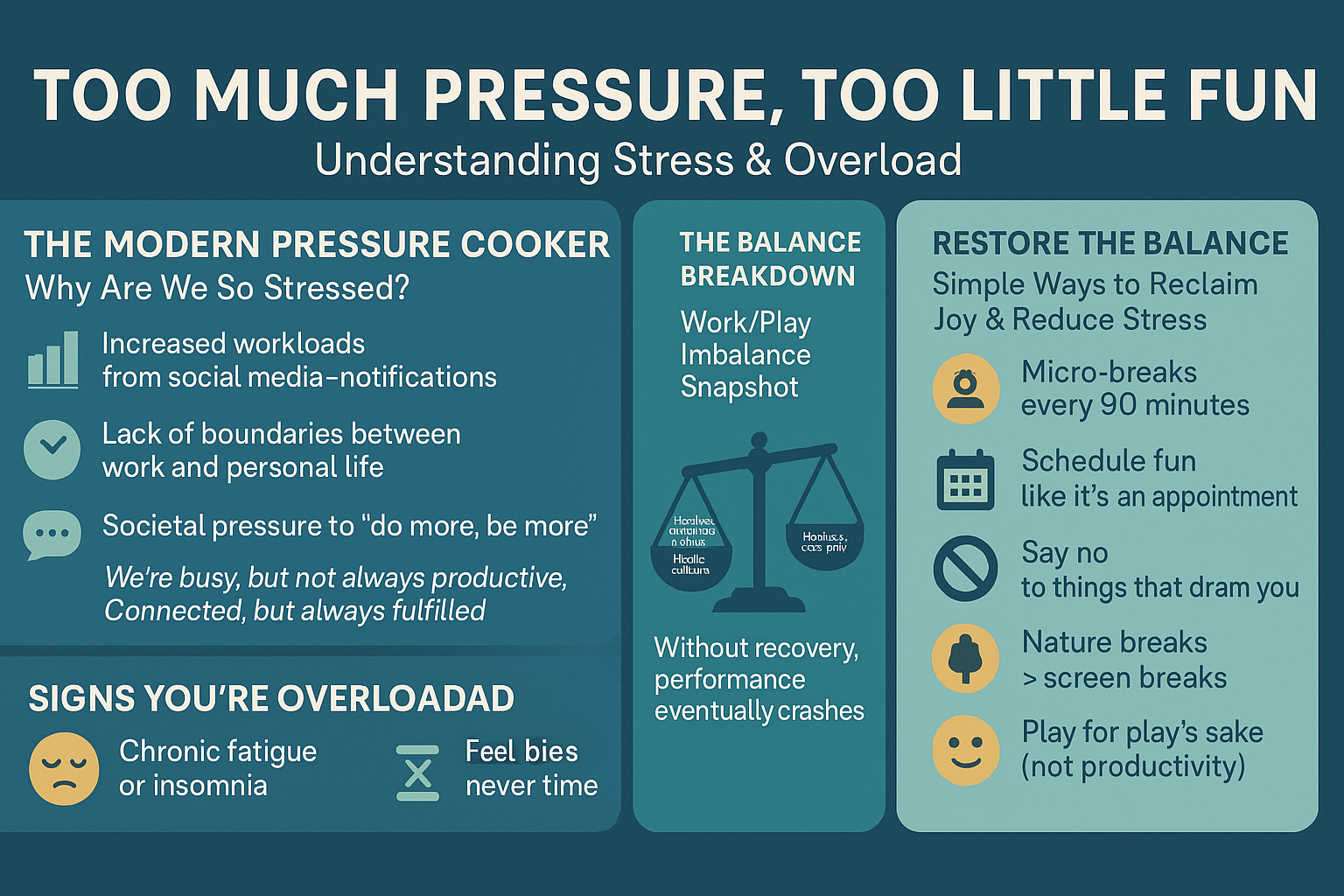
Short, evidence-backed micro-routines you can use between study blocks to lower stress and restore concentration. Covers breathing practices, mobility moves, and quick cognitive resets to sustain productivity and prevent burnout.
Reset Your Study Sessions: 5 Science-Based Microbreaks for Stress Relief and Focus
Boost Your Productivity with Quick Routines to Relieve Stress and Renew Concentration
Studying intensely can lead to stress and burnout if proper breaks are not taken. Incorporating short, evidence-backed micro-routines during study blocks can significantly lower stress levels and restore focus. For more on effective study blocks, check out smart study blocks: 20-minute focus sessions boost retention and reduce burnout. This post covers effective breathing practices, mobility moves, and cognitive resets to enhance your productivity.
Understanding the Importance of Microbreaks
Studying can be taxing on the mind, to say the least. Long hours of intense focus can lead to fatigue, decreased concentration, and increased anxiety. Research shows that taking regular, short breaks—known as microbreaks—can improve focus and enhance well-being. In fact, a study by the University of Illinois found that taking short breaks from intense tasks could increase the capacity for sustained attention. Incorporating effective microbreaks into study sessions is crucial, especially for students who are balancing numerous subjects and projects. Learn more about maintaining focus during challenging times at from overwhelm to focus: reclaim study momentum after burnout.
1. Breathing Practices for Calmness
Breathing techniques are among the simplest ways to reduce stress. When you find your mind cluttered from studying, try:
- Deep Breathing Exercises: Inhale deeply through your nose, letting your abdomen expand. Hold for a moment and exhale slowly through your mouth. Doing this for one minute can lower cortisol levels and help clear the mind for better concentration.
Example: A student struggling with exam anxiety found that taking just a minute to engage in deep breathing before revisiting study materials significantly improved her mental focus and calm.
2. Mobility Moves for Physical Relaxation
Physical movement can serve as a refreshing reset for both the body and mind. Here are two effective mobility exercises:
- Neck Rolls: Gently roll your neck to relieve tension and enhance blood flow. Perform this for 30 seconds in each direction.
- Wrist Stretching: Extend one arm in front and pull back the fingers with the other hand. This simple stretch helps alleviate tension in the hands and forearms from extensive typing.
Case Study: A group of college students incorporated these mobility exercises during study breaks for a semester and reported improved posture and reduced discomfort, ultimately boosting their productivity levels during study sessions.
3. Quick Cognitive Resets
Switching gears mentally can help refocus your brain. Here’s how:
- Brain Teasers: Engaging in a short puzzle or brain teaser for five minutes can stimulate different brain areas, promoting creativity and cognitive flexibility.
- Visualization Techniques: Close your eyes and picture a peaceful scene (like a beach or forest) for a few minutes. This helps to reduce mental clutter and refresh your mind.
Example: A high school student practiced these cognitive resets during long nights of studying for finals and reported feeling less mentally drained afterward.
4. Nature Breaks for Mental Refreshment
Getting outside, even for a short walk, can have profound effects on mood and concentration. Nature breaks allow you to decompress and gain new perspectives. Even if your surroundings are limited, stepping outside for a few minutes can re-energize your mindset.
Research Insight: Studies have shown that exposure to natural environments decreases stress and increases feelings of happiness. For students confined to indoor study spaces, short walks in nearby parks can significantly improve overall well-being.
5. Mindfulness Meditation for Enhanced Focus
Setting aside just five minutes for mindfulness meditation can rejuvenate your mental state. Focus on your breath, allow thoughts to flow without judgment, and bring your attention back to your breath when thoughts wander.
Statistics: A study by Harvard University found that mindfulness meditation can lead to measurable changes in brain structure associated with improved focus.
Implications & Tips for Students
To maximize the effectiveness of these microbreaks, consider the following tips:
- Schedule Regular Breaks: Use a timer to remind you to take a break every 25-30 minutes. This aligns well with the Pomodoro Technique.
- Avoid Digital Distractions: During your breaks, avoid your phone or computer screens to allow your mind to truly rest.
- Reflect on Your Progress: Use break time to reflect on what you've learned and your next steps to enhance retention and motivation. Read inspiring comeback stories at Comeback Stories: 5 Students Turned Low Scores into Top Grades.
A Motivational Figure in Focus
Bill Gates, co-founder of Microsoft and one of the world’s leading business magnates, often emphasizes the importance of continual learning and improvement. His journey highlights the significance of balancing intense work with refreshing breaks, enabling him to innovate continually. Gates famously said, "It's fine to celebrate success, but it is more important to heed the lessons of failure."
His experiences inspire many to persevere through the study grind while also taking time to unwind and reflect.
“Sometimes the most productive thing you can do is relax.”
References & Links
- University of Illinois on Microbreaks
- Harvard University Study on Mindfulness
- Psychology of Well-Being