

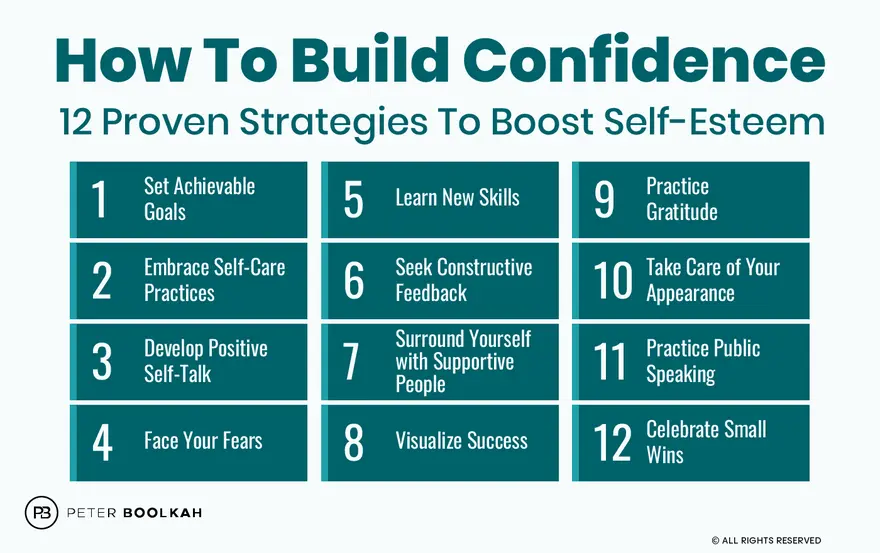
A practical weekly framework that uses small, measurable achievements to rebuild momentum after setbacks and strengthen self-belief. Includes micro-goals, reflection prompts, and simple reward systems to sustain motivation.
Small Wins, Big Gains: A Weekly Plan to Rebuild Academic Confidence
Discover How Small Achievements Can Transform Your Study Habits and Boost Your Self-Belief
In the journey of education and professional growth, setbacks are inevitable. The key to moving forward lies in a strategic approach that emphasizes small, measurable achievements. This blog post explores a practical weekly framework—consisting of micro-goals, reflection prompts, and reward systems—that can help students and early-career professionals rebuild their momentum and strengthen their academic confidence.
Understanding the Power of Small Wins
Achieving big goals often feels overwhelming, especially after facing challenges. This is where the concept of "small wins" comes into play. Small wins refer to breaking down larger objectives into manageable tasks that yield immediate, positive results. Research by psychologist Teresa Amabile suggests that achieving small wins can enhance our emotional well-being, which subsequently boosts motivation.
Why Small Wins Matter
- Builds Momentum: Each small win reignites energy toward larger goals, establishing a cycle of motivation.
- Enhances Self-Belief: Celebrating minor successes helps reinforce a positive self-image, creating a foundation of confidence necessary for tackling more significant challenges. Overcoming Self-Doubt: Building Unshakeable Confidence for Academic Success
- Reduces Stress: Focusing on smaller tasks can alleviate anxiety, turning overwhelming projects into a series of easily digestible activities.
Implementing a Weekly Framework
Creating a weekly study plan centered on small wins can greatly assist in academic recovery and goal achievement. Here’s how to build a framework that integrates micro-goals, reflection, and rewards effectively:
Step 1: Define Your Micro-Goals
Break your ultimate study goals into simpler, actionable items. For instance, if you aim to ace an exam, your micro-goals might include:
- Read one chapter per day.
- Take two practice quizzes by mid-week.
- Review notes for 15 minutes each evening. Micro-Revision: 15-Minute Daily Routines to Retain More for Exams
Step 2: Set Reflection Prompts
Reflection is crucial. At the end of each week, set aside time to ask yourself:
- What went well this week?
- Which strategies helped me stay motivated?
- What can I improve upon next week?
Reflecting on these questions fosters self-awareness, making it easier to adapt your approach as needed.
Step 3: Create a Reward System
Incorporating rewards boosts motivation. Consider a simple yet effective plan, such as:
- Small treats for daily accomplishments (like a favorite snack).
- Larger rewards for weekly successes (such as a night out with friends).
- Personal milestones—for instance, if you manage to complete all micro-goals for one month, treat yourself to a new book.
Case Study: John’s Academic Turnaround
To put this framework into perspective, let’s consider the story of John, a college sophomore who struggled with self-doubt after receiving unsatisfactory grades.
Unsure of his capabilities, John embarked on a journey toward rebuilding his academic confidence. He broke his study objectives into small wins: each day, he aimed to read a chapter and summarize its contents, a task he previously found daunting.
By reflecting on his week's progress every Sunday, John began to recognize patterns in his learning style; he found that studying in the morning resulted in better retention. As a reward, he made it a point to watch a movie every Friday night when he met his study goals. Rebound Routine: A 30-Day Plan to Bounce Back After a Low Exam Score
Over the course of a semester, these small wins accumulated. Eventually, John not only improved his grades but also regained his academic confidence, ultimately leading him to join a leadership program at his university.
Making It Work for You: Tips and Implications
Whether you’re a student or a job-seeker, here are some actionable tips to implement the small wins strategy effectively:
- Set Realistic Goals: Aim for attainable objectives to avoid burnout. For example, if you plan to learn a new skill for a job, start by dedicating just 30 minutes a day to practice.
- Track Your Progress: Use apps or journals to keep a visual record of achievements, reinforcing the habit of reflection and reward.
- Create a Support System: Engage with peers or mentors who can help reinforce your goals and celebrate your small wins together.
“Success is the sum of small efforts, repeated day in and day out.”
References & Links
small wins strategy academic confidence weekly study plan study motivation rebuild confidence academic success