

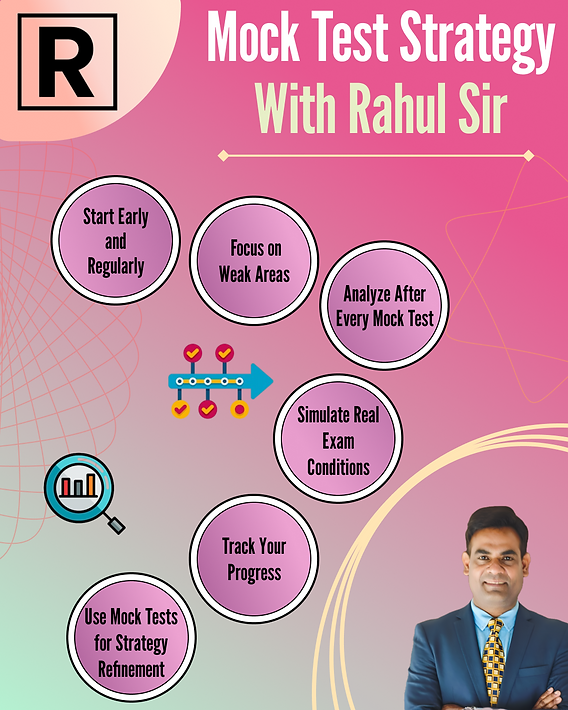
Learn how short, focused 20-minute mock tests can sharpen accuracy, speed, and recall. This post gives a repeatable micro-mock routine, grading tips, and a simple error-log system to turn practice into measurable score gains.
Micro-Mock Strategy: 20-Minute Practice Tests to Boost Exam Accuracy
Estimated reading time: 8 minutes
In today’s fast-paced world, time is a priceless commodity, especially for students preparing for exams. This post delves into the magical world of short, focused 20-minute mock tests. Discover how you can sharpen your accuracy, speed, and recall, and turn practice into measurable score gains through a repeatable micro-mock routine.
Unlock Your Potential with Focused 20-Minute Mock Tests
Most students are familiar with the cramming method, believing that prolonged study sessions lead to better retention. However, science suggests that shorter, more focused study sessions can significantly enhance learning outcomes. What makes a 20-minute mock test particularly effective?
- Deep Focus: You’re more likely to concentrate fully on the material when you know you only have a limited time to answer questions.
- Reduced Cognitive Load: By limiting the amount of content you engage with in a single session, you reduce mental fatigue, thereby enhancing recall.
Consider the story of Alex, a college student juggling multiple responsibilities. After adopting the 20-minute mock test approach, he saw improvement in his grades and regained his confidence because he could manage his time better. Comeback Stories: 5 Students Who Turned Low Scores into Top Grades
Crafting Your Micro-Mock Routine
To leverage the benefits of the micro-mock strategy, follow these steps for crafting your routine:
- Set a Timer: Decide on a specific topic or chapter and allocate 20 minutes on the clock.
- Select Questions Wisely: Choose a mix of questions from past papers and sample questions that challenge your understanding.
- Simulate Real Exam Conditions: Find a quiet space to eliminate disturbances and treat this like a real test.
- Reflect Post-Test: After your 20 minutes are up, take a moment to reflect on your performance. Note down what went well and identify areas for improvement. For more detailed strategies, refer to Precision Revision: Use Error Logs and Analytics to Fix Exam Mistakes Fast.
Grading Tips for Enhanced Results
Grading your answers effectively can provide insights into your weaknesses. Here’s how to do it:
- Use a Standard Marking Scheme: Ensure you have a clear understanding of how different questions are marked.
- Avoid Self-Deception: Be honest about your performance. If you guessed and got a question right, remember that this doesn’t reflect true understanding.
By diligently grading your tests, much like how a teacher would, you ensure you’re not just memorizing facts but truly understanding the concepts. Active Mock Review: How to Analyze Practice Tests for Rapid Score Gains
Building an Effective Error-Log System
Creating an error-log system is essential for turning mistakes into learning opportunities. Here’s how you can maintain an effective error log:
- Categorize Mistakes: Group errors by theme (conceptual misunderstanding, careless mistakes, etc.).
- Regular Review: Schedule a weekly review of your error log. Reflect on patterns and plan for improvement.
- Seek Help: Don’t hesitate to ask for clarification on concepts that frequently appear in your error log.
Case Study: Success Through Short Mock Tests
Meet Jessica, a high school senior who struggled with calculus. Despite hours spent studying, she felt unprepared for her upcoming SAT math section. After implementing a daily regimen of 20-minute mock tests, her accuracy began to soar. Over the span of a few weeks, Jessica not only saw her scores improve but gained the confidence that allowed her to calm her pre-exam jitters.
Motivational Example: Thomas Edison
“Genius is one percent inspiration and ninety-nine percent perspiration.”
Thomas Edison, one of history’s most famous inventors, epitomizes the idea of focused practice. His relentless experimentation can be likened to students taking consistent mock tests. His sustained effort in minute details eventually led to groundbreaking inventions.
Implications & Tips for Students
For students and job-seekers alike, applying these short mock tests can yield incredible benefits. Here are tips to make the most of your study sessions:
- Consistency is Key: Make short mock tests a part of your daily routine to normalize the practice.
- Mix Up Subjects: Don’t restrict yourself to one subject—broaden your focus to ensure a well-rounded knowledge base.
- Stay Positive: Remember, every test—successful or not—is a stepping stone toward your end goal.
Embrace the Journey of Learning
Incorporating micro-mock strategies into your preparation can revolutionize the way you approach studying. “Success is a journey, not a destination.” With each 20-minute mock test, you are one step closer to achieving your academic dreams.
References & Links
- Educational Psychology Review
- National Assessment of Educational Progress
- American Psychological Association: Study Practices