

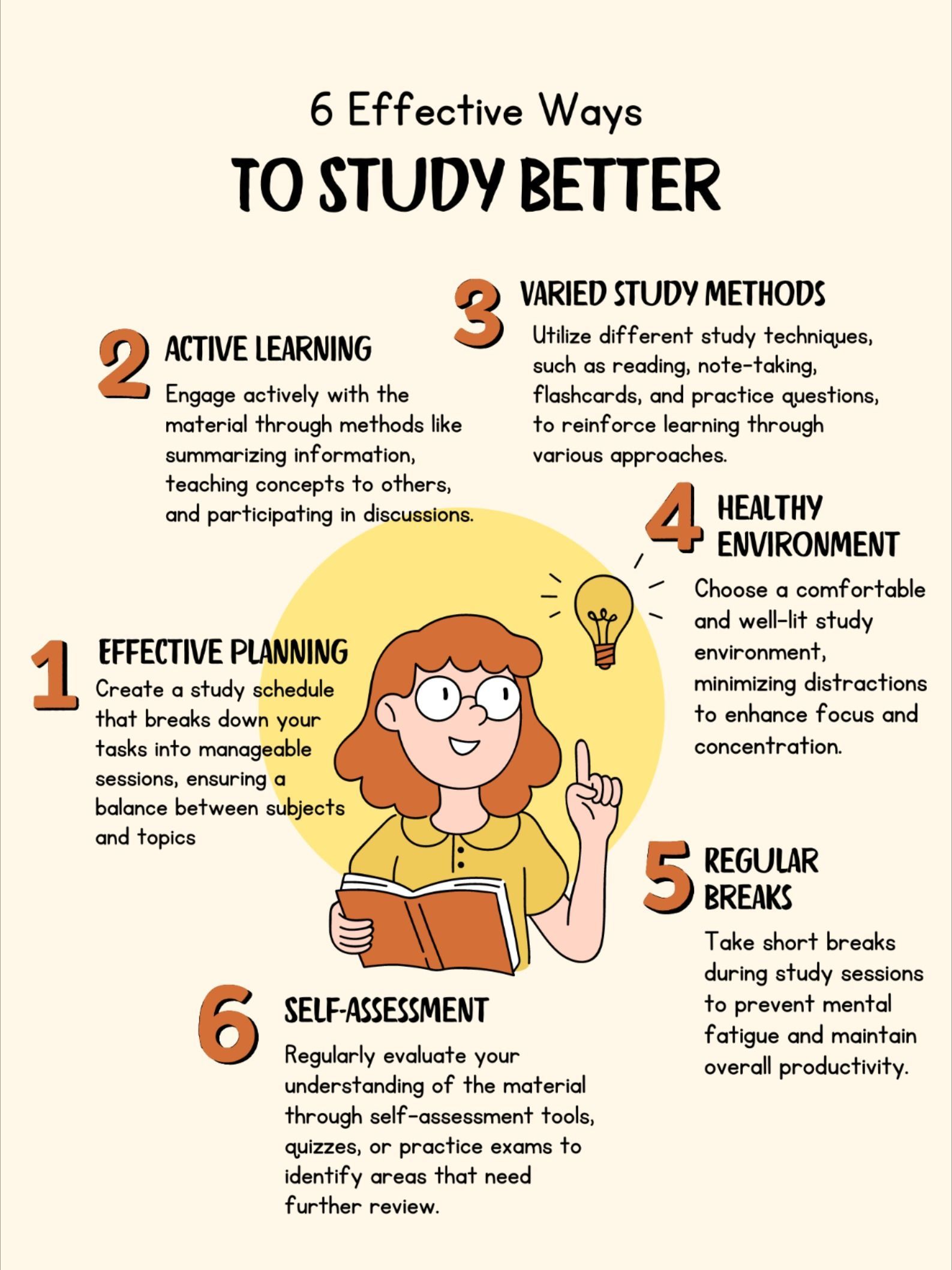
Explore interactive study methods that enhance engagement and improve exam performance. Learn how to incorporate active learning strategies into your study routine for better results.
Unlocking Potential: Interactive Study Techniques to Boost Exam Performance
Estimated reading time: 7 minutes
As exams approach, the pressure can feel overwhelming for students. Traditional study methods often lead to disengagement and low motivation. This blog explores interactive study techniques that enhance engagement and improve performance, offering practical solutions for effective learning.
Why Interactive Study Techniques Matter?
Interactive study techniques transform passive learning into active engagement, leading to improved retention and understanding of material. Traditional methods like rote memorization can be ineffective, as they don’t encourage critical thinking or problem-solving skills essential for success in exams and future career endeavors.
Here’s why they matter:
- Increased Retention: Studies show that interactive learning experiences lead to better memory retention. Engaging with material in meaningful ways helps solidify knowledge.
- Enhanced Critical Thinking: Techniques like collaborative learning encourage students to analyze and synthesize information, fostering deeper understanding.
- Boosted Motivation: Interactive methods can make studying feel less like a chore and more like an exciting challenge.
Popular Interactive Study Techniques
Here are some effective strategies that can redefine your study routine:
- Group Study Sessions: Collaborating with peers can illuminate different perspectives. Use tools like Google Docs or online whiteboards for brainstorming and sharing notes. Prioritizing Your Study Topics: Focus on What Matters Most
- Flashcards & Quizzes: Create interactive flashcards using apps like Quizlet https://quizlo.ai/blogs/blog-details/using-digital-flashcards-enhance-memory-retention-exams. This method not only helps with rote memorization but also with self-testing, allowing students to track their progress.
- Study Games: Incorporate educational games or gamification elements into your study sessions. Platforms like Kahoot! https://quizlo.ai/blogs/blog-details/gamifying-your-study-sessions-boost-engagement-and-retention make learning competitive and fun, which can elevate motivation and enjoyment.
- Mind Mapping: This technique visually organizes information, allowing students to see relationships between concepts. Software like MindMeister can help in creating digital mind maps.
- Simulations and Role-Playing: For subjects like science and history, simulations can provide immersive learning experiences. Role-playing different historical figures can enhance understanding in a creative way.
A Case in Point: Maria’s Transformation
Consider Maria, a college student preparing for her final exams. Initially, she relied on passive reading and highlighted notes, which left her feeling unprepared and anxious. After discovering interactive techniques, she decided to join study groups and use flashcards for self-testing. Within weeks, Maria noticed a significant improvement in her confidence and test scores.
Through discussions and interactive learning, she not only grasped complex concepts but also learned how to think critically about the material. Maria’s story exemplifies how changing study habits can lead to transformative results.
Implications & Tips for Success
For students and job-seekers: Incorporating interactive methods into your study routine can lead to better outcomes in academic and professional assessments. Here are some tips to make the most out of these strategies:
- Set Clear Goals: Establish what you want to achieve in each study session to maintain focus.
- Mix Techniques: Don’t stick to one method; combine various interactive techniques to determine what resonates best with you.
- Implement Feedback: Share your learning with peers and seek constructive feedback to improve.
“Learning is not a spectator sport.” – D. Blocher
This quote encapsulates the essence of engaging in active learning. By participating actively rather than passively absorbing information, we can unlock our potential and achieve lasting success.
References & Links
study strategies exam preparation tips motivation for students collaborative learning education technology