

Learn how to maintain your mental health while striving for academic excellence. Discover strategies to balance studies with personal well-being for a fulfilling student life.
Finding Balance: Mastering Academic Excellence While Prioritizing Mental Health
Explore essential strategies to achieve academic success without compromising your mental well-being.
In our fast-paced academic environment, the pressure to excel can often overshadow the importance of mental health. Striking a balance between studies and personal well-being is crucial for students aiming for academic excellence. Here, we delve into various strategies that can help students manage stress, thereby enabling them to thrive in their educational journey.
Why It Matters
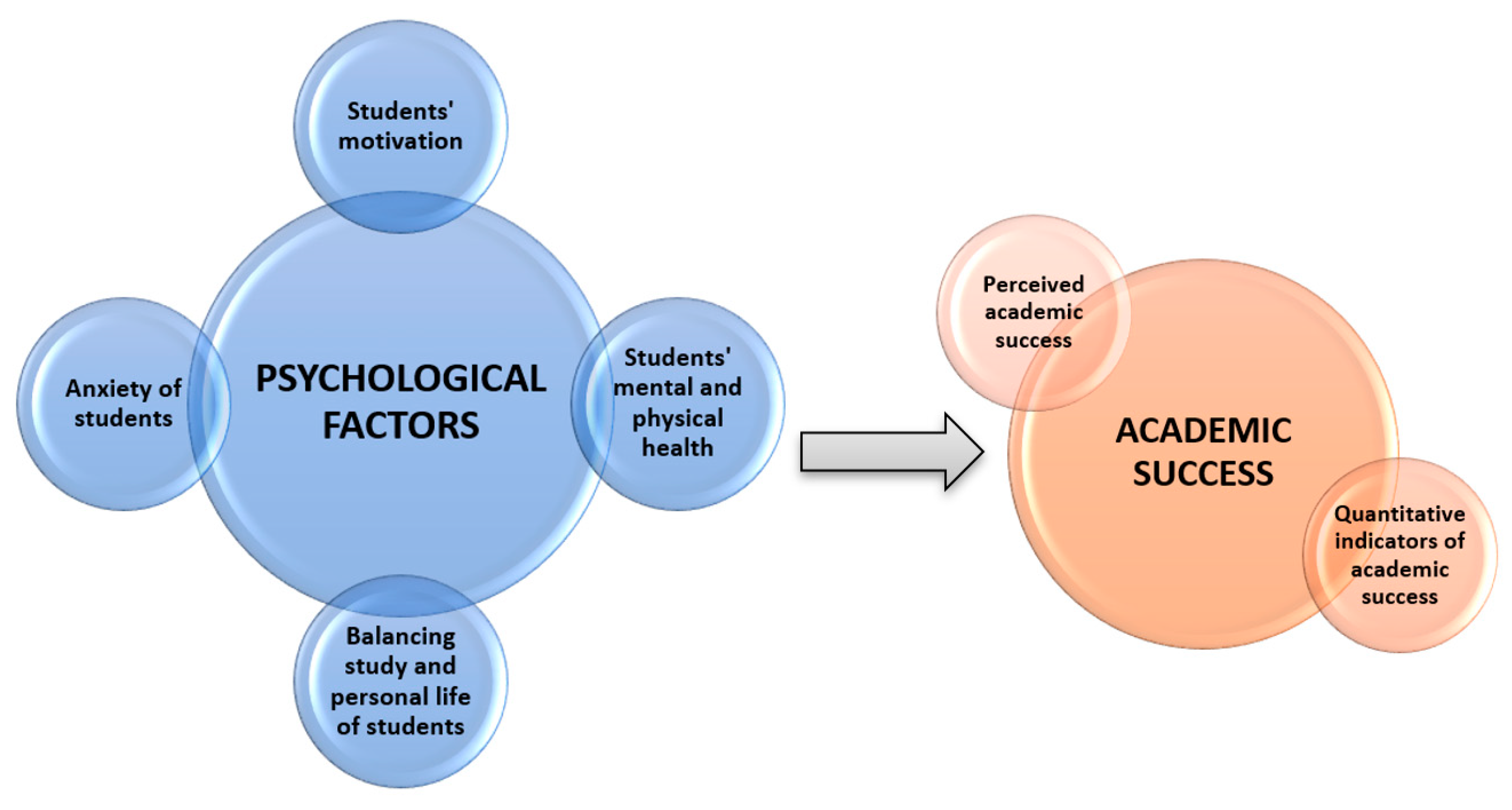
Maintaining mental health while pursuing academic goals isn't just a personal preference—it's essential for overall success. According to recent studies, students who prioritize their mental health have better academic performance, reduced dropout rates, and improved interpersonal relationships. Recognizing that mental well-being is intertwined with academic success helps dispel the harmful notion that sacrificing health for grades is a viable option.
Benefits and Drawbacks
While there are many benefits to prioritizing mental health—such as enhanced focus, resilience, and creativity—students may face challenges like societal pressure and stigma. Balancing mental well-being with academic commitments can sometimes feel burdensome.
However, the advantages far outweigh the drawbacks; adopting effective stress management techniques results in healthier lifestyles and better academic outcomes. For more insights on overcoming self-doubt, check out Overcoming Self-Doubt: Building Unshakeable Confidence for Academic Success.
Case Study: Sarah's Journey
Consider the story of Sarah, a university student in her second year studying biology. Overwhelmed by coursework, she began experiencing burnout, leading her to risk her GPA. Key to her recovery was establishing a daily self-care routine that included exercise, mindfulness, and time for hobbies.
Through a balance of responsibilities and self-care, she not only improved her academic performance but also regained her joy in learning. Sarah's journey exemplifies the effectiveness of prioritizing mental health while striving for academic success. To explore transformative techniques for student well-being, visit From Anxiety to Achievement: Transformative Techniques for Student Well-being.
Strategies for Balance
Here are some practical strategies to achieve a healthier balance between academics and personal well-being:
- Time Management: Prioritize tasks with a planner or digital tools to avoid last-minute cramming.
- Mindfulness Practices: Incorporate activities such as meditation, yoga, or deep-breathing exercises into daily routines.
- Social Connections: Stay connected with friends and family, sharing your experiences and seeking support.
- Set Boundaries: Establish limits regarding study hours and stick to them to ensure you have downtime.
- Seek Help When Needed: Don't hesitate to consult mental health professionals if stress becomes unmanageable.
Implications & Tips
For students or early-career professionals, the concept of balance extends beyond academics. Carrying these strategies into professional life can foster a more balanced and fulfilling career. Remember:
- Prioritize tasks based on deadlines but also on your mental capacity.
- Invest time in hobbies that rejuvenate you.
- Cultivate a support network for sharing challenges and successes.
Additionally, incorporating mindfulness can further enhance your ability to maintain this balance. Learn more in Mastering Mindfulness: Enhancing Focus and Retention for Exam Success.
“Balancing academic excellence with mental well-being is not a sign of weakness, but an act of wisdom.”
References & Links:
student well-being study strategies balance studies self-care college success