

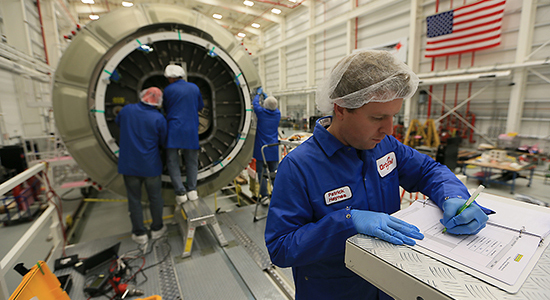
Dive into the growing field of space technology and discover the various career opportunities available. Understand the key skills required and how to prepare for a successful career in the space industry.
Careers in Space Technology: Unlocking Opportunities and Skills for a Bright Future
Discover the vast career landscape within the space industry and the essential skills you need to thrive.
As the space industry continues to expand, so too do the career opportunities it presents. From cutting-edge technology development to mission planning, the pathways are diverse but require specialized skills and knowledge. Understanding these roles and how to prepare for them is crucial for aspiring professionals.
The Growing Field of Space Technology
The space sector is rapidly evolving, with advancements in technology, increased funding, and a surge in public interest driving demand for skilled individuals. The rise of private space companies such as SpaceX, Blue Origin, and others has broadened the job market significantly. These companies are not only launching rockets but are also pioneering innovations in satellite technology, space tourism, and planetary exploration.
According to a report from the Space Foundation, the global space economy reached nearly $447 billion in 2020, signaling robust growth and the potential for more jobs in the coming years. This growth leads to a plethora of career options ranging from engineering, mathematics, and computer science to project management and data analysis.
Essential Skills for Success in the Space Industry
To succeed in the space technology sector, certain skills stand out as particularly valuable:
- STEM Knowledge: Proficiency in science, technology, engineering, and mathematics is fundamental. Courses in physics, robotics, engineering methodologies, and computer programming are vital.
- Problem-Solving Abilities: The ability to diagnose and solve complex problems is essential. Space missions often encounter unexpected challenges, making innovative thinking crucial.
- Teamwork and Communication: As projects are often collaborative, being able to work effectively in teams and communicate clearly is paramount in the space community.
- Project Management: Understanding how to manage schedules, resources, and risks is key in the execution of intricate projects.
- Adaptability: The space sector is filled with surprises and rapid changes. Being flexible and open to learning is a vital trait.
Navigating the Path to Your Dream Career
- Education and Training: Start with relevant educational qualifications. Pursuing a degree in aerospace engineering, astrophysics, or a related field provides a strong foundation. Designing Your Academic Path: Courses and Degrees for Future Success offers a comprehensive guide on selecting the right courses and degrees to align with your career goals.
- Internships and Experience: Seek out internships with space agencies, universities, or private companies. Gaining hands-on experience is invaluable.
- Networking: Join professional organizations, attend conferences, and connect with industry professionals. Engaging with mentors can provide guidance and open doors. For more on effective networking, refer to Essential Networking Strategies for Career Advancement.
- Stay Informed: Keep abreast of the latest trends, technologies, and news in the space sector. Resources like the NASA website, Space.com, and the International Space Station’s online portal offer a wealth of knowledge.
Real-World Success Stories
Consider Emily Calhoun, an aerospace engineer who landed her dream job at NASA after several internships and networking during her college years. "Every experience, even in less glamorous roles, helped me develop the skills I needed," she says. Her journey exemplifies how determination, adaptability, and strategic networking can lead to success in the space industry.
Implications and Tips for Aspiring Space Professionals
As you embark on your journey to a career in space technology, keep these tips in mind:
- Continuous Learning: The field is always evolving, so staying current with technology and trends is crucial. Online courses and certifications can enhance your skills.
- Set Goals: Define your career aspirations clearly, and create a roadmap to achieve them.
- Be Persistent: The competition can be fierce. Don’t be discouraged by setbacks; every failure is a learning opportunity.
Inspiration to Propel You Forward
“The Earth is the cradle of humanity, but mankind cannot stay in the cradle forever.”
References & Links