

Explore effective strategies for building resilience to maintain motivation and overcome academic challenges, ensuring continued success in your studies.
Building Resilience: How to Stay Motivated Through Academic Challenges
Discover how to empower yourself with resilience strategies that fuel motivation to navigate academic hurdles.
Academic life can be daunting, filled with deadlines, exams, and a seemingly endless stream of assignments. Students face challenges that can easily derail their motivation and impact their performance. However, developing resilience can significantly improve a student’s ability to handle stress and maintain their enthusiasm for learning. In this blog post, we will explore effective strategies for building resilience, share inspiring stories, and offer practical tips that will help you thrive throughout your educational journey.
Why Resilience Matters
Resilience refers to the ability to bounce back from setbacks and challenges. In academia, it plays a crucial role in how students approach difficulties, manage stress, and sustain their motivation. The benefits of resilience are multifold: it enables students to cope better with academic pressures, fosters a growth mindset, and enhances overall well-being. Building a Growth Mindset for Academic Success
The Consequences of Lack of Resilience
On the flip side, a lack of resilience can lead to burnout, anxiety, and poor academic performance. For instance, a student overwhelmed by coursework might give up on a challenging subject instead of persisting through difficulties. This avoidance can create a detrimental cycle where each setback further diminishes confidence and motivation.
Inspiring Stories of Resilience
Consider the story of Maria, a college student who struggled in her first year. Faced with failing grades and mounting pressure, she decided to seek help from a mentor who taught her the importance of resilience. By adopting a positive mindset and learning new time management strategies, Maria was able to turn her academic performance around. She transformed her approach to challenges and ended up graduating with honors.
Another inspiring case is that of Jake, a high school student with learning disabilities. Faced with the constant challenge of staying engaged in class, he learned to advocate for himself and reached out to teachers for additional resources. Through persistence and resilience, Jake not only improved his grades but also inspired his peers to embrace their challenges.
Effective Resilience Strategies
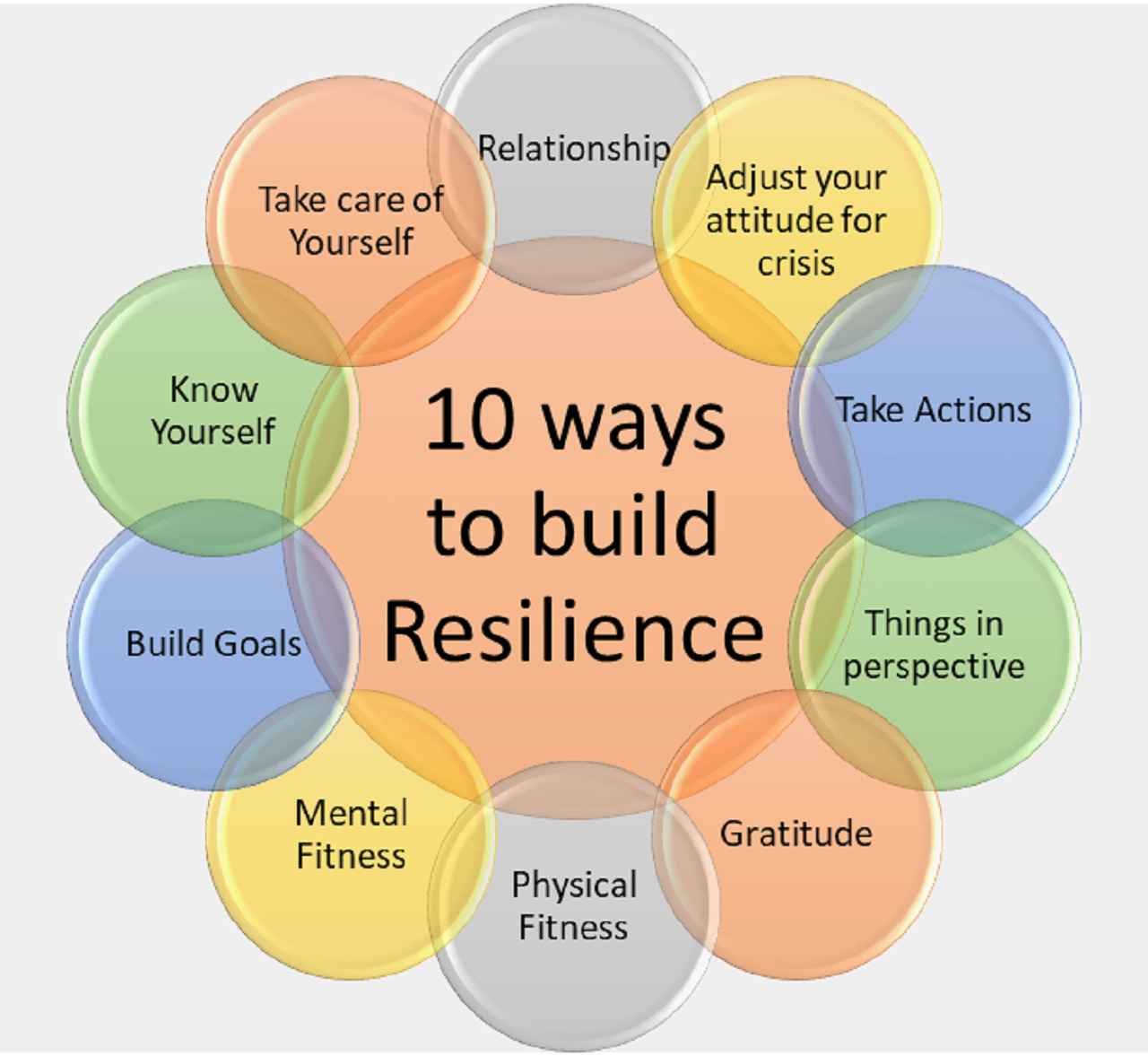
To build resilience and stay motivated, here are some practical strategies:
- Set Realistic Goals: Break tasks into manageable parts. Setting achievable goals can help maintain focus and motivation as you check off each completed task.
- Develop a Growth Mindset: Embrace challenges as opportunities to learn. Understand that effort leads to improvement, and every setback is a chance for growth. Building a Growth Mindset for Academic Success
- Practice Self-Care: Regular physical activity, proper nutrition, and adequate sleep are essential in maintaining your mental fortitude. Make time for relaxation and leisure activities to recharge your mind. Turning Academic Stress into Motivation: Tips for Students
- Build a Support Network: Surround yourself with positive influences. Connecting with friends, mentors, and classmates can provide emotional support and practical advice when challenges arise.
- Seek Professional Help if Needed: Do not hesitate to reach out to counselors or mental health professionals when stress becomes overwhelming. They can provide valuable coping strategies tailored to your circumstances.
Implications & Tips for Success
For students and early-career professionals, these resilience-building techniques are vital for academic and career success. Remember:
- Stay organized: Use planners and digital tools to keep track of deadlines and academic responsibilities.
- Reflect regularly: Take time to evaluate your progress and strategies. Reflecting on what works and what doesn’t can help refine your approach to challenges.
- Celebrate small wins: Acknowledge and reward yourself for small achievements. This fosters motivation and reinforces a positive mindset.
“Resilience is not about never falling, but about rising every time we fall.”
Building resilience is essential for navigating academic challenges with motivation and grace. By implementing these strategies and surrounding yourself with supportive influences, you can enhance your ability to face difficulties head-on, ultimately leading to greater success in your studies.
References & Links
- American Psychological Association: Building Resilience
- Mindfulness for Students: The Importance of Staying Connected
Tags: Growth mindset Resilience strategies Stress management Self-care